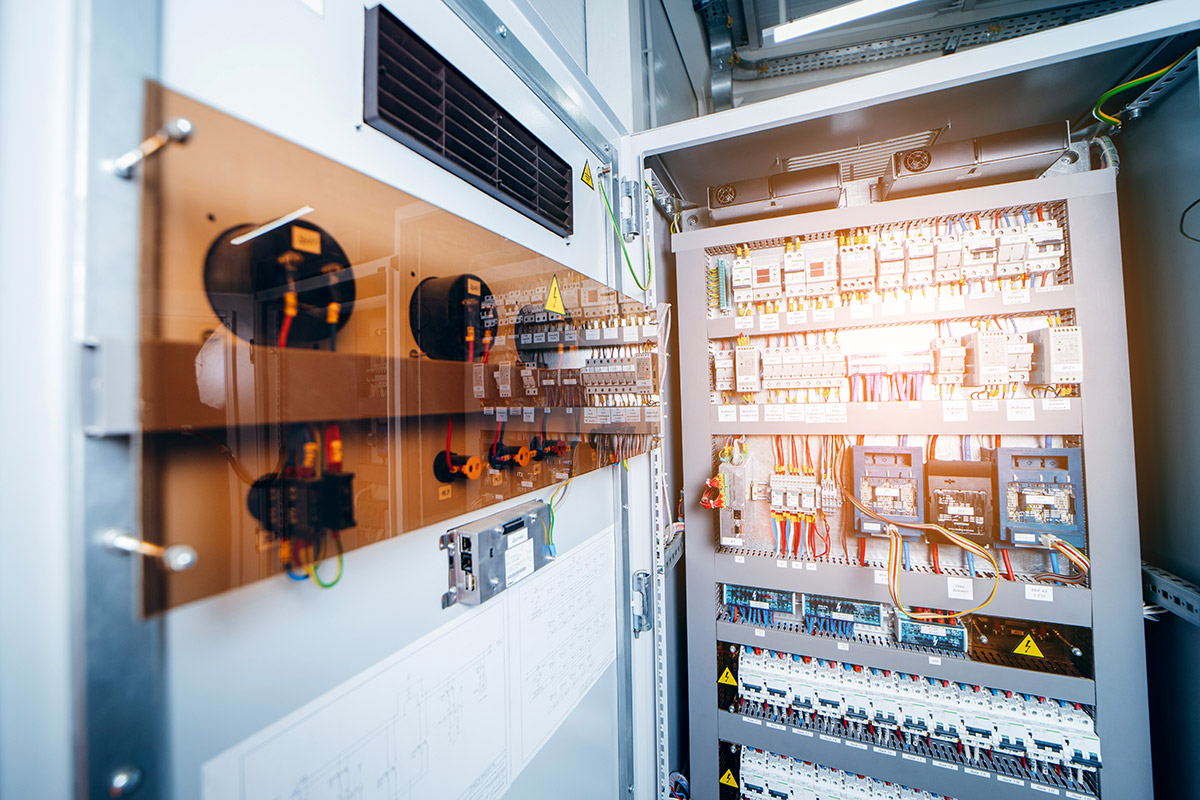
Electrical inspections are one of the most important steps in keeping a home safe, efficient, and up to modern standards.While electrical systems are often hidden behind walls, they power nearly every part of daily life — from lights and appliances to heating, cooling, and security systems.
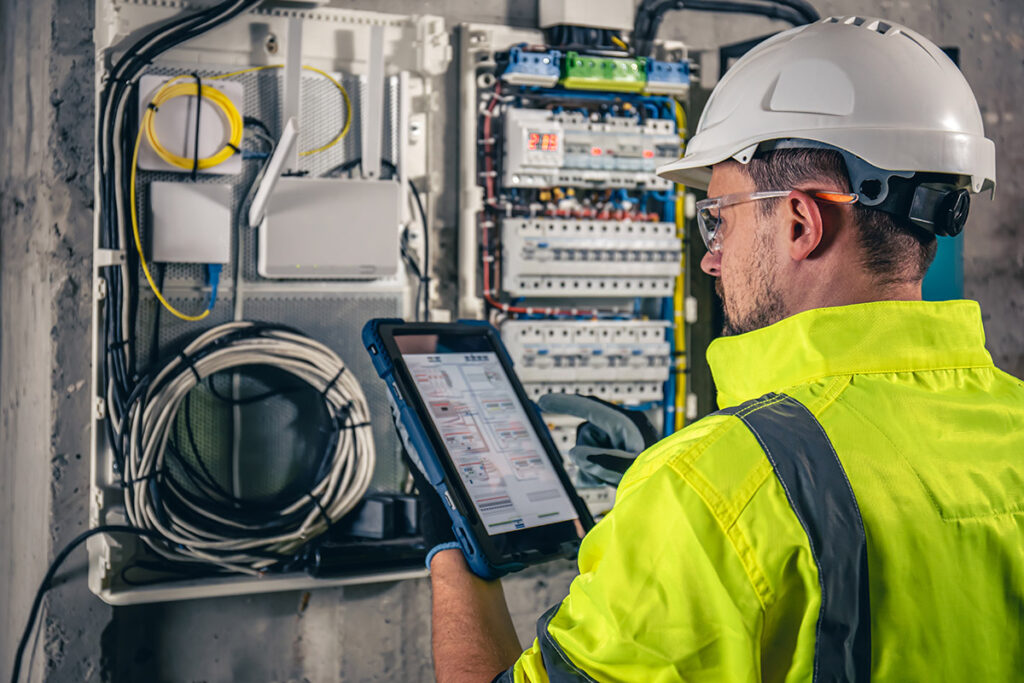
A professional electrical inspection ensures everything operates safely and reduces the risk of hazards that could harm your home or family.
What Is an Electrical Inspection?
An electrical inspection is a detailed evaluation of a home’s wiring, connections, electrical panel, outlets, fixtures, safety devices, and overall system performance. Certified electricians use specialized tools and follow strict national and local codes to identify problems, inefficiencies, or potential fire risks.
Inspections can be routine, part of a renovation, or required before buying or selling a home.
Why Electrical Inspections Are Important
1. Ensuring Safety
Hidden electrical issues — such as loose connections, overloaded circuits, or faulty wiring — can create fire hazards. An inspection helps detect and correct these problems before they escalate.
2. Preventing Costly Repairs
Small issues left unnoticed can turn into bigger, expensive repairs. Early detection saves homeowners money and prevents inconvenient electrical failures.
3. Meeting Electrical Codes
Local regulations evolve over time. An inspection ensures your home meets current safety standards and avoids legal issues, especially during renovations or real estate transactions.
4. Improving Energy Efficiency
Outdated wiring, damaged components, or old panels can waste energy. Inspections help identify areas where upgrades can reduce utility costs.
5. Protecting Appliances and Electronics
Faulty circuits or unstable power can damage sensitive devices. A healthy electrical system keeps everything running smoothly.
When Should a Homeowner Schedule an Electrical Inspection?
Before buying or selling a home
After major renovations or additions
If your home is more than 20–25 years old
When breakers frequently trip
If lights flicker or dim unexpectedly
After storm or water damage
Every 3–5 years as routine maintenance
Regular inspections provide peace of mind and ensure ongoing safety.
What Electricians Check During an Inspection
A standard residential electrical inspection includes:
Wiring condition and insulation quality
Electrical panel health, capacity, and code compliance
Circuit breakers and fuses
Grounding and bonding
Outlet and switch functionality
GFCI/AFCI protection
Lighting fixtures and fans
Smoke and carbon monoxide detectors
Outdoor electrical components
Signs of overheating, corrosion, or wear
The electrician will provide a detailed report with findings, photos, and recommendations for repairs or upgrades.
Benefits of a Professional Electrical Inspection
Prevents electrical fires
Extends the lifespan of your electrical system
Ensures compliance with safety standards
Identifies hidden defects
Reduces long-term repair costs
Provides confidence and safety for your family
Conclusion
Electrical inspections are a simple but essential investment for every homeowner. They keep your home safe, efficient, and up to date — while protecting your family from hidden electrical dangers. Whether you’re experiencing issues or simply want peace of mind, a professional inspection ensures your electrical system is operating exactly as it should.