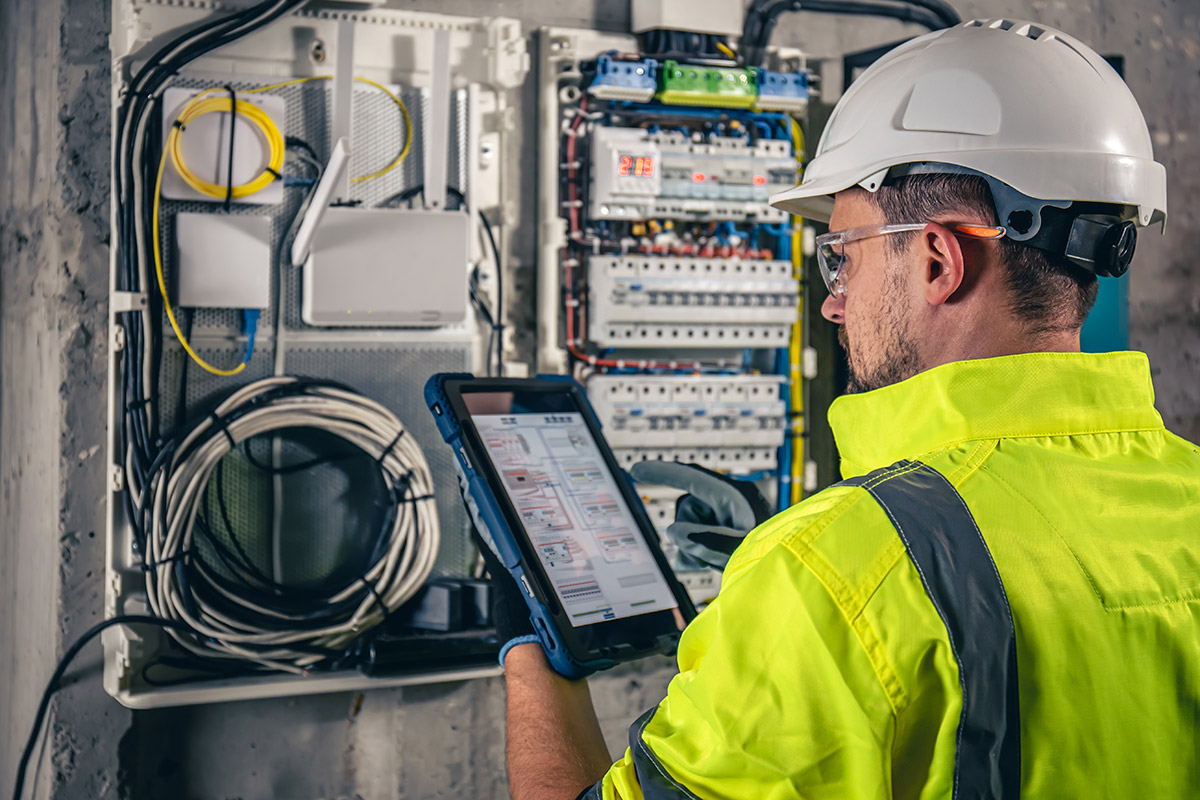
The electrical panel is the heart of your home’s entire electrical system. It distributes power to every room, appliance, and device you use daily.
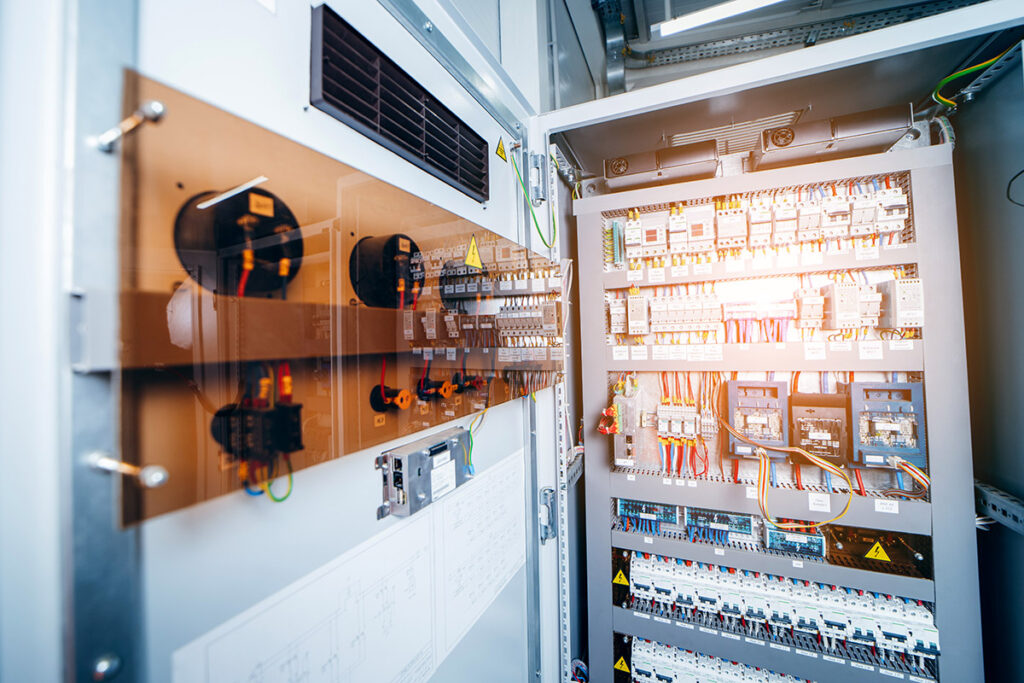
Over time, panels can become outdated, overloaded, or damaged — creating serious safety concerns and reducing the efficiency of your home’s power supply. Regular inspections and timely upgrades ensure your electrical system remains safe, reliable, and ready to meet modern demands.
What Is an Electrical Panel?
An electrical panel (also called a breaker box or service panel) is the main control center that manages how electricity flows through your home. It contains circuit breakers that protect each part of the system from overloads and potential hazards.
If the panel is old, faulty, or overcapacity, the entire home can be at risk.
Electrical Panel Inspections: What They Include
A professional inspection is essential to ensure your panel meets current safety standards. During an inspection, electricians check:
Condition of breakers and fuses
Proper labeling and organization
Signs of overheating or burning
Corrosion, rust, or moisture damage
Wire integrity and secure connections
Panel capacity vs. current home electrical load
Grounding and bonding quality
Compliance with the latest electrical codes
After inspection, the electrician provides a full report and recommends repairs or upgrades if needed.
Signs Your Electrical Panel Needs an Upgrade
Your home may require an upgrade if you notice:
Frequent breaker tripping
Flickering or dimming lights
Burning smell near the panel
Warm or hot panel surface
Outlets that stop working
Buzzing or crackling sounds
Scorch marks or discoloration
Appliances struggling to run
Fuse box instead of modern breakers
You’ve added new appliances or increased power usage
Most older homes still operate on outdated 60A or 100A panels that cannot handle today’s electrical demands.
Why Upgrading Your Electrical Panel Matters
1. Improved Safety
Panel upgrades eliminate fire risks caused by overloaded circuits, aging components, or faulty wiring.
2. Supports Modern Appliances
High-demand devices like HVAC systems, EV chargers, induction stoves, and home offices require more power than older panels can provide.
3. Better Home Value
A new electrical panel is a strong selling point for homebuyers and ensures your home meets current electrical codes.
4. Reduced Tripping and Outages
A properly sized panel distributes electricity evenly, preventing nuisance trips and power interruptions.
5. Energy Efficiency
Upgraded breakers and modern components ensure smoother operation and protect your appliances from damage.
Types of Electrical Panel Upgrades
Service capacity upgrade (100A → 150A → 200A or more)
For homes adding new appliances or expanding.Breaker replacement and rewiring
To improve safety and reliability.Fuse box to breaker panel conversion
Brings older homes up to code.Main panel and subpanel expansions
Useful for home additions, garages, or workshops.Smart electrical panels
Modern systems offering real-time monitoring and energy control.
How Often Should Electrical Panels Be Inspected?
For most homes:
Every 3–5 years as part of routine maintenance
During major renovations
When buying or selling a home
After storm or water damage
If your home is older than 20–25 years
Regular checks ensure long-term safety and performance.
Conclusion
Your electrical panel plays a crucial role in powering your home safely and efficiently. Regular inspections help detect issues early, while upgrading an outdated panel protects your family, supports modern power needs, and increases the overall value of your home. If you’re experiencing electrical problems or living in an older home, a professional panel inspection and potential upgrade are one of the best investments you can make.