Electrical code compliance is essential for safety, reliability, and legal protection. Electrical codes are established to prevent fires, electric shock, equipment damage, and system failures. Professional electrical services ensure that all installations, repairs, and upgrades meet current local and national electrical codes, protecting both people and property.
Why Electrical Code Compliance Matters
Electrical codes are not optional guidelines—they are mandatory safety standards designed to reduce risk. Non-compliant electrical work can create serious hazards and legal issues.
Code-compliant electrical systems help:
Protect occupants from electrical shock and fire
Ensure safe operation of electrical equipment
Reduce liability and insurance risks
Prevent system failures and overloads
Maintain property value and resale eligibility
Compliance ensures peace of mind and long-term safety.
Common Code Violations and Risks
Many properties, especially older buildings, contain electrical work that no longer meets current code requirements or was improperly installed.
Common violations include:
Overloaded or undersized circuits
Improper grounding and bonding
Missing or outdated circuit protection
Unsafe panel installations
Incorrect wire sizing or materials
Improper outlet placement or spacing
These issues increase the risk of accidents and electrical fires.
How Professional Electrical Services Ensure Compliance
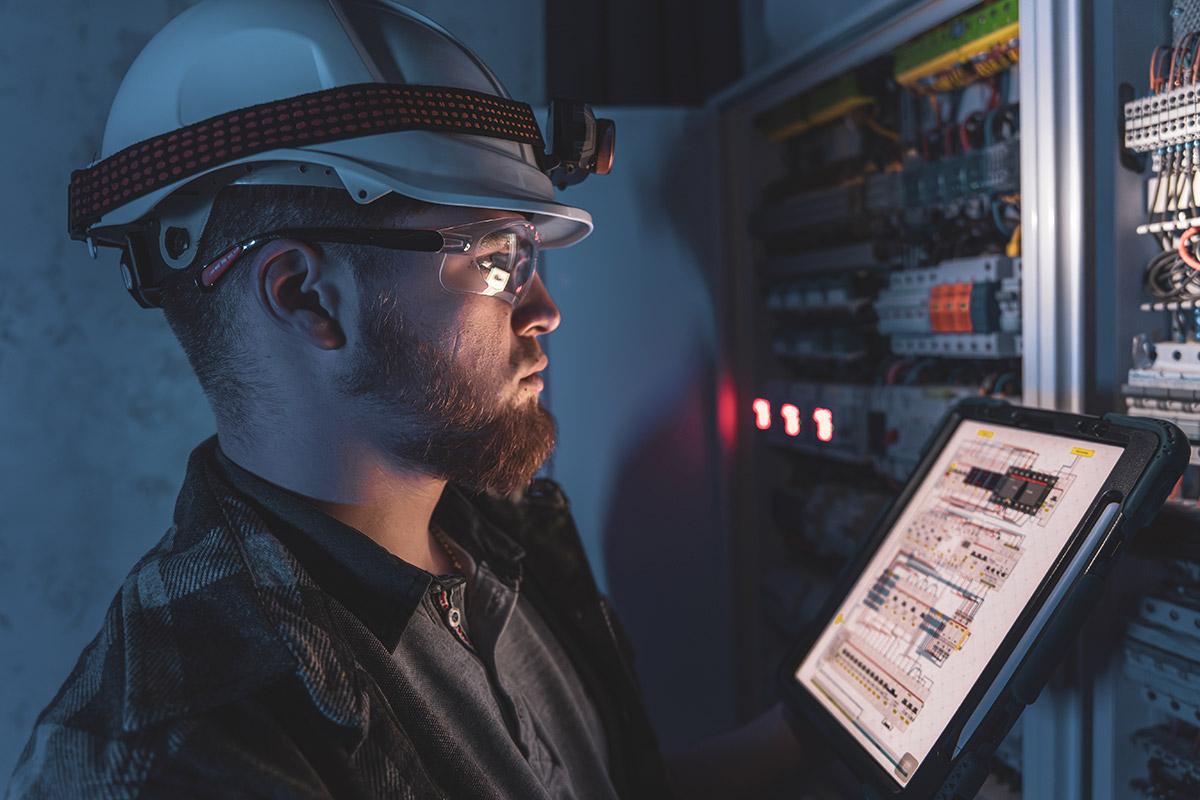
Licensed electricians are trained to understand and apply the latest electrical codes. They stay informed of updates and changes to ensure every project meets current requirements.
Professional compliance services include:
Full electrical system inspections
Identification of code violations
Safe correction of non-compliant installations
Proper permitting and documentation
Final testing and verification
This ensures all work is safe, legal, and properly approved.
Compliance in New Installations and Upgrades
Whether installing a new system or upgrading an existing one, code compliance is critical at every stage.
Code-compliant projects include:
New wiring and circuit installations
Electrical panel upgrades and replacements
Outlet, switch, and lighting installations
GFCI and AFCI protection upgrades
Grounding and bonding system improvements
Proper compliance ensures systems meet modern safety standards.
Electrical Code Compliance for Homes and Businesses
Both residential and commercial properties benefit from code-compliant electrical systems.
For homeowners:
Safer living environments
Fewer electrical hazards
Smoother home inspections during resale
For businesses:
Compliance with regulatory and insurance requirements
Reduced liability and workplace risk
Protection of employees and customers
Code compliance supports safety and operational continuity.
Inspections, Maintenance, and Ongoing Compliance
Electrical codes evolve over time, making periodic inspections essential. Regular assessments help ensure older systems remain safe and compliant.
Benefits of ongoing compliance checks include:
Early identification of outdated components
Reduced risk of fines or insurance issues
Improved system reliability and performance
Proactive safety improvements
Maintenance helps properties stay compliant as standards change.
Confidence Backed by Professional Expertise
Electrical code compliance requires knowledge, precision, and experience. Professional electricians ensure that every detail meets regulatory standards, eliminating guesswork and risk.
Code-compliant electrical systems provide safety, reliability, and confidence — today and in the future.